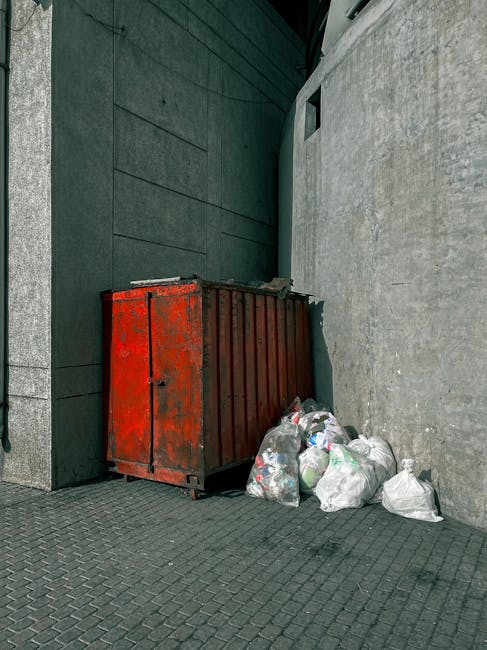
Lambeth Council Skips and Bulky Waste Rules for Removals: A Practical Guide for Moving Home or Clearing a Property
If you are moving in Lambeth, the last thing you want is a pile of old furniture, a fridge blocking the hallway, and a last-minute scramble over where it all can go. That is exactly where Lambeth council skips and bulky waste rules for removals come in. Get them wrong, and you can run into delays, awkward access issues, and disposal headaches that feel bigger than the actual move.
To be fair, most people only think about waste rules once they are already surrounded by boxes. Yet planning the removal properly can save time, reduce stress, and stop you from making expensive mistakes. In this guide, we will break down what these rules usually mean in practice, how skips and bulky waste collection fit into a removal plan, and when a professional removal service may be the smoother option. If you are comparing options, you may also find our man with van service useful for flexible loading and local moves, especially when there is furniture to shift quickly.
We will keep things plain-English. No jargon for the sake of it. Just the bits you actually need before the van arrives and the front room starts filling up with dismantled shelves.
Table of Contents
- Why Lambeth council skips and bulky waste rules for removals Matters
- How Lambeth council skips and bulky waste rules for removals Works
- Key Benefits and Practical Advantages
- Who This Is For and When It Makes Sense
- Step-by-Step Guidance
- Expert Tips for Better Results
- Common Mistakes to Avoid
- Tools, Resources and Recommendations
- Law, Compliance, Standards, or Best Practice
- Options, Methods, or Comparison Table
- Case Study or Real-World Example
- Practical Checklist
- Conclusion
- Frequently Asked Questions
Why Lambeth council skips and bulky waste rules for removals Matters
Waste is one of those things that seems simple until you are the one carrying a sofa down the stairs. Then it gets complicated. Lambeth council skips and bulky waste rules for removals matter because they affect three things at once: what you can dispose of, how you can dispose of it, and whether your move stays on schedule.
Skips are not just big bins. In a residential street, they can create access problems, parking pressure, and permit questions. Bulky waste collection is different again: it is usually meant for larger household items, not a full-scale clear-out after years of accumulation. If you assume both options work the same way, you can end up planning around the wrong disposal method.
That becomes especially relevant during removals. A typical move throws up a bit of everything: wardrobes that will not fit through the new door, a mattress that has seen better days, a broken freezer, office chairs, boxed paperwork, and the odd mystery item from the back of the cupboard. Some of it can be moved. Some of it needs separate disposal. Some of it should not go in a skip at all. Easy to say, less easy when you are tired and the kettle is already packed.
There is also the neighbourhood factor. In Lambeth, as in much of London, space is tight. A skip parked on the street affects neighbours, traffic flow, and sometimes your own loading access. A bulky waste pickup can be more convenient for a few items, but less useful if you are clearing a full flat before completion. The right choice often depends on timing, volume, and the type of items involved.
Expert takeaway: if your removal includes a mix of reusable, recyclable, and disposal-only items, it is usually better to plan the disposal first and the moving date second. That sounds backwards, but it saves hassle more often than not.
How Lambeth council skips and bulky waste rules for removals Works
At a practical level, there are three common routes for disposing of unwanted items during a move: council bulky waste collection, skip hire, or a private removal and disposal service. Each route has different expectations and limitations.
Bulky waste collection is usually the cleaner option when you have a small number of large items. Think one or two mattresses, a sofa, a wardrobe, or a broken appliance. It is often most useful when you do not want a skip sitting outside for days. But it may not be ideal if the property needs a full declutter, or if the items are scattered across multiple rooms and need lifting out in one go.
Skip hire is a better fit for larger clearances, DIY-style strip-outs, or moves where lots of packaging, broken furniture, and general rubbish are being removed together. The catch is that skips have rules around placement, contents, loading, and what can be thrown in. You also need to think about access. A narrow street, shared driveway, or limited frontage can make a skip less convenient than it sounds on paper.
Removal and disposal services sit between the two. A team arrives, loads the items for you, and takes them away in one visit. This is often the simplest choice when you are already using a moving service. It means less lifting, fewer trips, and less chance of accidentally dumping something in the wrong place. If you are moving a home or flat and want the physical side handled properly, our home moves service is designed for exactly that sort of all-in-one situation.
In reality, most removals are a mix. You may keep the good furniture, dispose of damaged items, and recycle a few bits from the kitchen. That is normal. In fact, it is probably the most common scenario.
Another detail people miss: some items need special handling even if they look harmless. Refrigerators, freezers, and some electricals can require separate disposal arrangements. For those, a dedicated fridge and appliance removal option is often a better fit than trying to squeeze them into a general waste plan.
Key Benefits and Practical Advantages
When you understand the rules before moving day, the benefits are real and immediate. Not glamorous, sure, but very real.
- Less last-minute stress: you know what is going where before the van turns up.
- Better use of space: no wasted room in the vehicle for items that should have been disposed of separately.
- Cleaner property handover: especially useful for landlords, sellers, and tenants leaving a flat.
- Reduced lifting risk: fewer heavy, awkward items moved twice.
- More control over timing: disposal can be scheduled around keys, access, and completion windows.
- Improved recycling outcomes: items can be sorted properly instead of being bundled together in a rush.
There is also a financial angle, though it is not always about the cheapest upfront option. A skip may seem economical, but if you have to arrange parking permissions, fill it only partially, or pay extra because the contents were not planned properly, the value drops quickly. Likewise, bulky waste may be fine for two items, but clumsy for a whole room clearance.
For many customers, the practical advantage is simplicity. One team, one schedule, one plan. If you are also packing at the same time, the value of that simplicity becomes obvious very fast. Our packing and unpacking services can help reduce the chaos a little more, especially when the move and the clear-out overlap.
Who This Is For and When It Makes Sense
Lambeth council skips and bulky waste rules for removals are especially relevant if you fall into one of these groups:
- Home movers clearing old furniture before a move.
- Tenants who need the property emptied on a deadline.
- Landlords dealing with leftover items after a tenancy ends.
- Students or sharers moving out of smaller spaces with mixed waste.
- Businesses relocating desks, chairs, archive boxes, or broken office furniture.
- People managing probate or inherited property where contents need sorting quickly and respectfully.
It makes sense when the item list is awkward, not huge. That is the sweet spot. One sofa, a mattress, and a couple of broken storage units? Bulky waste or a disposal service may do the job neatly. A full flat clear-out, office relocation, or mixed furniture and rubbish scenario? A removal-led approach usually works better.
If you are moving a workplace rather than a home, the same logic applies but the stakes can feel higher. Office clearances tend to involve furniture, cables, files, and the occasional "where did that chair come from?" moment. For larger commercial jobs, our commercial moves and office relocation services are worth considering because they keep the move and the disposal side aligned.
And if your clear-out includes old paperwork, don't just toss it in with the rest. Confidential waste needs its own path. That is where confidential shredding becomes useful, especially for home offices and small businesses.
Step-by-Step Guidance
If you want to deal with Lambeth council skips and bulky waste rules for removals without getting caught out, follow a simple sequence. Nothing fancy. Just the sort of method that keeps the day from unraveling.
- List every item you plan to remove. Split it into keep, move, donate, recycle, and dispose. Be honest here. That old cabinet probably is not coming with you.
- Check access at both properties. Measure doorways, stairwells, lifts, and parking space. A large item that fits in theory can still be awkward in reality.
- Separate special waste early. Appliances, hazardous materials, and confidential paperwork should not be left until the final hour.
- Choose the disposal route. For a few bulky items, collection may be enough. For a bigger clearance, a skip or removal service may be more practical.
- Schedule disposal around the move. If you are using a skip, allow time for loading. If you are booking a team, make sure the order of loading suits the route out of the property.
- Pack and label what stays. It sounds obvious, but confusion happens when everything is in bags and nobody remembers which one contains the router.
- Keep fragile or valuable items separate. Anything personal, sentimental, or expensive should not be mixed into the "get rid of it" pile.
- Do a final walkthrough. Check cupboards, loft spaces, under beds, and behind doors. You will almost always find one last item.
A small but useful tip: if you are using a removal service, group the items that need to go first and the items that need to be kept together. That way the loading sequence makes sense, and the day feels calmer. Calm is underrated.
Expert Tips for Better Results
There are a few things experienced movers look for straight away. These are the quiet little details that can save an entire afternoon.
- Think in load order, not room order. The path from the property to the vehicle matters more than where the item started.
- Keep disposal items away from valuables. It reduces mistakes when everyone is moving quickly.
- Use dismantling wisely. Flat-pack furniture can be quicker to move once broken down, but only if the fixings are bagged and labelled.
- Reserve special handling for white goods. Fridges, freezers, and washing machines are heavy, awkward, and often not worth improvising with.
- Let the schedule breathe. A move that looks simple on Monday can feel much tighter by Friday afternoon.
One thing we see often is people trying to do too much on move day. They want the old sofa out, the wardrobe dismantled, the paperwork shredded, the bins emptied, and the van loaded before lunch. Ambitious, but a bit unrealistic. Better to split the tasks if you can.
If sustainability matters to you, it is worth planning reuse before disposal. Items in decent condition may be better suited to a furniture collection than a skip. Our furniture pick up service can be a sensible middle ground when something is still usable but no longer needed.
And if you are cautious about how waste is handled, you are not being awkward. You are being sensible. There is a proper place for that mindset. Our recycling and sustainability information is a useful read if you want to keep disposal choices greener where possible.
Common Mistakes to Avoid
Most removal problems with waste and skip planning come from a few very ordinary mistakes. Nothing dramatic. Just small oversights that snowball.
- Booking the wrong disposal method. A bulky waste pickup is not the same as a full clear-out solution.
- Ignoring access restrictions. If a skip or van cannot get close, the whole job slows down.
- Mixing unsuitable items together. Some waste types need separate handling. Do not guess.
- Leaving sorting until the final day. That is how good items get thrown out by accident.
- Forgetting the final property condition. Tenants, in particular, need to leave the place tidy and clear.
- Underestimating volume. Rooms always contain more than you think. Always.
Another common issue is not thinking about awkward items like mattresses and sofas early enough. They are bulky, they block space, and they can make the rest of the move feel harder than it should. If that is part of your job list, our mattress and sofa disposal page explains a practical route for handling them.
Similarly, if you have any electrical items in the pile, it is worth planning them separately rather than treating them as ordinary rubbish. Again, nothing heroic here. Just avoid making the easy mistake that turns into a nuisance later.
Tools, Resources and Recommendations
You do not need a complicated toolkit to manage removal waste well. What helps most is a clear process and a few simple materials.
- Marker pens and labels: for boxes, bags, and dismantled furniture parts.
- Tough bin bags or sacks: for mixed non-fragile waste.
- Measuring tape: useful for checking item dimensions against doors and stairs.
- Gloves: especially when handling dusty loft items or broken furniture.
- Basic screwdriver or Allen key set: for furniture dismantling.
- Phone camera: handy for photographing items you are unsure about before disposal decisions.
For many people, the real resource is a decent removal partner who can advise on what should be moved, what should be disposed of, and what should be separated. If you want the truck, the lift, and the loading support in one place, you may want to look at our man and van option or, for more vehicle-focused jobs, removal truck hire.
It can also help to check practical company information before you book. Our pages on pricing and quotes, payment and security, and insurance and safety give a clearer picture of how a professional move is usually handled.
Law, Compliance, Standards, or Best Practice
When removal waste is involved, compliance is mostly about care, responsibility, and not cutting corners. You do not need to memorise legislation to make sensible decisions, but you do need to respect the basics.
In UK practice, waste should be passed to someone who is authorised to take it, and you should be able to show that items were handled appropriately. If you are disposing of items yourself, the key point is to use approved collection methods and to separate anything that needs special treatment. That includes hazardous waste, confidential paper, and some electrical appliances. Do not assume that "out of sight" means "properly disposed of." It does not.
For removals, best practice usually means:
- sorting items before they leave the property,
- keeping reusable items separate from rubbish,
- avoiding prohibited skip contents,
- planning for heavy or awkward items in advance,
- and using a service that understands lifting safety and transport responsibility.
Safety matters too. Heavy furniture, smashed glass, sharp edges, and damp loft boxes can all create hazards. A careful removal team should work methodically, protect access routes, and avoid risky lifting where possible. That is not over-cautious; it is just good practice.
If a job involves potentially hazardous materials, do not improvise. Use a dedicated route and keep it separate from ordinary household rubbish. Our hazardous waste disposal page is relevant in those cases, and it is worth reading before you make any assumptions.
Options, Methods, or Comparison Table
Choosing between a skip, bulky waste collection, and a removal-led clearance is usually the point where people pause and think, "Right... what is actually simplest?" This table gives a quick comparison.
| Option | Best for | Strengths | Limitations |
|---|---|---|---|
| Bulky waste collection | A few large household items | Simple, tidy, no skip outside | Less suitable for full clear-outs or mixed loads |
| Skip hire | Larger waste volumes and mixed rubbish | Useful for big clearances, flexible loading | Needs space, may need permissions, not ideal for all items |
| Removal with disposal support | Moves with a disposal element | Less lifting, one coordinated process, time-saving | Depends on booking the right service and clear instructions |
As a rule of thumb, if your removal has more furniture than rubbish, a moving service is often better than a waste-first solution. If your job is mostly clearance and not much moving, the balance shifts the other way. It sounds obvious, but people do get this wrong all the time. You can save yourself a lot of bother by being honest about the ratio.
For larger or more complex moves, our house removalists page may be useful if you want extra support with bulky items, stairs, and the physical side of moving. Sometimes the right answer is simply the one that means fewer trips.
Case Study or Real-World Example
A typical Lambeth scenario goes like this. A couple are moving out of a top-floor flat after four years. They have a bed frame, two wardrobes, a mattress, a broken washing machine, several black bags of mixed clutter, and a stack of books they no longer want. They also have a tight handover window. No drama, just a lot to do.
At first, they consider a skip. Then they realise the street is narrow, parking is limited, and they would still need to lift everything into the skip themselves. A bulky waste collection would deal with some of the large items, but not the mixed clutter or the awkward loading sequence. In the end, a removal-led clearance makes more sense. The team removes the reusable furniture, separates the appliance for proper handling, and clears the rest in one coordinated visit.
The result? Less back-and-forth, less stress in the stairwell, and a cleaner flat at the end. There is usually a moment around late afternoon when the place suddenly feels much bigger and quieter. That is a nice feeling, honestly. One of the best parts of the whole process.
That same approach works for office moves too. Desks, chairs, monitors, and old files can pile up fast, and the office still has to function until the last day. For that kind of job, a blend of office relocation services and careful disposal planning tends to work better than trying to solve everything with one waste method.
Practical Checklist
Use this checklist before you book anything:
- Have you listed every item that needs to leave?
- Do you know which items are being moved, recycled, donated, or disposed of?
- Have you checked access, parking, lifts, and stair size?
- Are any items hazardous, confidential, or electrical?
- Do you need a skip, bulky waste support, or a removal-led service?
- Have you separated valuable items from waste items?
- Are boxes and dismantled furniture parts clearly labelled?
- Have you planned the timing around keys, completion, or tenancy end dates?
- Do you know who is responsible for clearing each room?
- Have you left a little extra time for the last-minute surprises?
If you can answer yes to most of those, you are in decent shape. Not perfect, maybe, but ready enough.
Get a free quote today and see how much you can save.
Conclusion
Lambeth council skips and bulky waste rules for removals are not just admin. They shape how smooth your move feels, how much lifting you have to do, and whether the unwanted stuff disappears cleanly or becomes a problem at the last minute. The best plan is usually the simplest one that still respects the type of waste you have, the space you are working with, and the timing of the move.
If your job involves a mixture of furniture, appliances, paperwork, and general household clutter, it is usually worth taking a careful, item-by-item approach rather than trying to force everything into one disposal method. That little bit of planning pays off. It really does.
And if you want a calm, practical way to handle the moving side while keeping waste under control, the right support can make the whole day feel lighter. Not effortless. Just lighter. Which, on a moving day, is plenty.
Frequently Asked Questions
What are Lambeth council skips and bulky waste rules for removals?
They are the practical rules and limits that affect how large unwanted items and mixed waste can be handled during a move in Lambeth. In plain terms, they influence whether you should use a skip, a bulky waste collection, or a removal service with disposal support.
Is a skip better than bulky waste collection for a house move?
Not always. A skip is usually better for larger clear-outs, while bulky waste collection can suit a few large items. If you are moving furniture as well as disposing of items, a removal-led approach is often easier.
Can I put a sofa or mattress in a skip?
Sometimes these items can be disposed of through a skip arrangement, but the exact suitability depends on the skip provider and the contents rules. For a cleaner route, many people choose a dedicated sofa or mattress disposal service instead.
What should I do with a fridge or freezer during removals?
Do not just treat it like general rubbish. Fridges and freezers usually need separate handling, and a specialist appliance removal service is normally the safer option.
Do I need a skip if I am only clearing one room?
Probably not. If it is only one room and the waste volume is modest, bulky waste collection or a smaller removal job may be more practical and less disruptive.
How far in advance should I plan disposal before moving day?
As early as you can, ideally once you know what is staying and what is going. Even a rough plan helps avoid the "we will sort it later" trap, which is a bit of a classic.
What happens if I mix the wrong items together?
That can create delays, extra costs, or rejection of the load. Some items need separate handling, especially electricals, hazardous materials, and confidential documents.
Is bulky waste collection enough for landlord clearances?
Sometimes, but not if the property is heavily cluttered or contains a mixture of furniture and general rubbish. A fuller clearance solution is often more suitable for end-of-tenancy work.
Can I save money by doing disposal myself?
Potentially, yes, if you only have a small amount to remove and good access. But once you factor in lifting, time, transport, and proper handling of awkward items, a professional service can sometimes be the better value.
What is the safest way to handle heavy furniture during a move?
Measure first, dismantle where sensible, and avoid improvised lifting on stairs. If the item is large or awkward, it is usually better to have it moved by people who do this regularly.
What if I have confidential paperwork among my removals?
Keep it separate and use a proper shredding route. Documents with personal or business data should not be mixed with general waste.
How do I know whether I need removal services or waste services?
Ask yourself what the job is mostly about. If the main goal is moving to a new property, removal services usually make more sense. If the main goal is emptying a space, waste or clearance support may be the better fit.
If you are still weighing things up, start with the item list and the access plan. That alone usually makes the answer much clearer. And once the plan is clear, the rest has a habit of falling into place.