Fridge and Appliance Removal: Smart, Safe, and Sustainable Choices
Removing an old refrigerator or other household appliances is more than just clearing space. It involves safety, environmental responsibility, and an understanding of local regulations and options. Whether you are replacing a broken fridge, renovating a kitchen, or clearing out a basement, efficient appliance removal minimizes risk, prevents illegal disposal, and maximizes recovery of materials through recycling and reuse.
Why Proper Fridge and Appliance Removal Matters
Improper disposal of appliances can lead to serious environmental harm. Refrigerators, in particular, contain refrigerants and insulating foams that can release ozone-depleting substances and potent greenhouse gases if not handled properly. Metal, glass, and plastic components also represent valuable resources when recycled instead of dumped in a landfill.
Key reasons to prioritize professional removal or responsible disposal include:
- Preventing hazardous refrigerant release and contamination
- Reducing landfill waste through material recovery and recycling
- Protecting your property and family from injury during removal
- Complying with local disposal and recycling regulations
- Making room for new appliances quickly and cleanly
Common Types of Appliances Removed
Appliance removal services typically handle a wide range of household items. Understanding the differences helps you plan and set expectations.
Major kitchen and home appliances
- Refrigerators and freezers — These often require refrigerant recovery before disposal and may have heavy, bulky designs.
- Stoves and ovens — Gas or electric units may need disconnecting and safe transport.
- Dishwashers — Removal includes unplugging and detaching water lines.
- Washing machines and dryers — Large, heavy items that can damage flooring if handled improperly.
- Microwaves, small appliances, and HVAC components — Often recyclable but may contain electronic components requiring special processing.
Safety Considerations Before Removal
Safety is the top priority when removing heavy appliances. Here are essential precautions:
- Disconnect utilities: Before any removal, ensure the appliance is unplugged and water or gas supplies are safely shut off.
- Secure doors and cords: Tape or secure doors to prevent swinging during transport and wrap cords to avoid tripping hazards.
- Assess pathways: Measure doorways, staircases, and hallways to confirm the appliance can be moved safely without damaging property.
- Use proper equipment: Dollies, straps, padding, and protective covers help prevent injury and damage to floors and appliances.
- Work with helpers: Large appliances usually require at least two people for safe handling.
Handling refrigerants and hazardous materials
Refrigerators and freezers can contain refrigerants that must be recovered by certified technicians. Never puncture or vent refrigerant lines. Insulating foams and electronic components may also require special handling to avoid environmental release of harmful chemicals.
Environmental Benefits of Responsible Removal
Choosing responsible removal methods offers measurable environmental benefits. Recycling metal, plastic, and glass reduces the need for virgin materials and lowers energy consumption associated with manufacturing. Recovering refrigerants prevents greenhouse gas emissions. Donating or selling working appliances extends their useful life and reduces waste.
Material recovery often yields:
- Steel and aluminum reclaimed for new manufacturing
- Electronic components salvaged for reuse or recycling
- Refrigerant gases recovered for safe destruction or reclamation
Options for Appliance Removal
Choose the option that best fits your timeline, budget, and environmental priorities. Common choices include:
Professional removal services
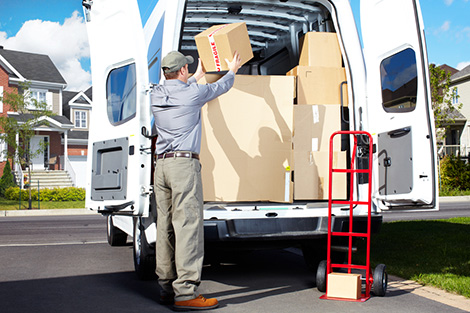
These services handle pickup, transport, and certified recycling or disposal. Professionals ensure refrigerants are recovered, appliances are drained of hazardous substances, and materials are delivered to appropriate recycling centers.
Municipal programs and drop-off centers
Many communities offer scheduled bulk pickup or drop-off events for appliances. These programs are often low-cost or free but may require scheduling in advance and following specific preparation steps.
Donation and resale
If an appliance is still functional, consider donating to charities or selling through local marketplaces. This diverts useful items from the waste stream and benefits others.
Scrap metal and salvage yards
Some appliances are valuable for their metal content. Scrap yards will often accept non-working appliances and pay for ferrous and non-ferrous metals after safe removal of hazardous components.
Preparing an Appliance for Removal
Proper preparation speeds up the removal process and helps avoid fees or delays. Steps to prepare include:
- Empty and clean the appliance to prevent spills and odors.
- Defrost refrigerators and freezers at least 24 hours ahead of scheduled pickup.
- Secure moving parts with tape or straps and remove loose accessories like shelves.
- Measure the appliance and check access routes with door widths and stairs in mind.
- Label anything that requires special handling, such as a unit with a refrigerant leak or broken glass.
Costs and What to Expect
Removal fees vary based on appliance size, local regulations, and whether refrigerant recovery is required. Some municipalities subsidize disposal or offer rebates for recycling. Expect to provide information about the appliance type and condition when scheduling removal. If a service collects materials for recycling, they may charge a higher fee than simple curbside pickup but will handle hazardous components safely.
Hidden fees to watch for
- Charges for stairs, long carries, or difficult access
- Fees to remove appliances from basements or upper floors
- Costs associated with refrigerant recovery or certification
After Removal: Responsible Follow-Up
Once the appliance is removed, there are a few follow-up considerations to ensure environmental and legal compliance:
- Request documentation that refrigerants were properly recovered if applicable.
- Confirm recycling receipts or diversion certificates when possible to verify responsible disposal.
- Replace flooring or cleanup any residual debris or stains left from the appliance.
Choosing a Removal Option That Aligns With Your Values
When selecting a removal method, balance cost, convenience, and environmental responsibility. If sustainability is a priority, look for services that prioritize recycling, refrigerant reclamation, and donation networks. If convenience matters most, municipal pickups or full-service removal companies may be preferable.
Remember these simple principles:
- Prioritize safety for you and the removal team.
- Prioritize environmental responsibility by choosing certified recycling or recovery for refrigerants.
- Prioritize clarity—know what the service includes and what fees may apply.
Final Thoughts
Fridge and appliance removal is a routine but important part of home ownership and renovation. From preventing environmental harm to reclaiming valuable materials, the right removal choice protects your property and contributes to broader sustainability goals. Whether you opt for municipal programs, professional services, resale, or donation, planning ahead and prioritizing certified handling of hazardous components will ensure the process is safe, legal, and environmentally sound.
Making informed choices about appliance removal reduces waste, conserves resources, and minimizes health and safety risks—benefits that extend well beyond your home.